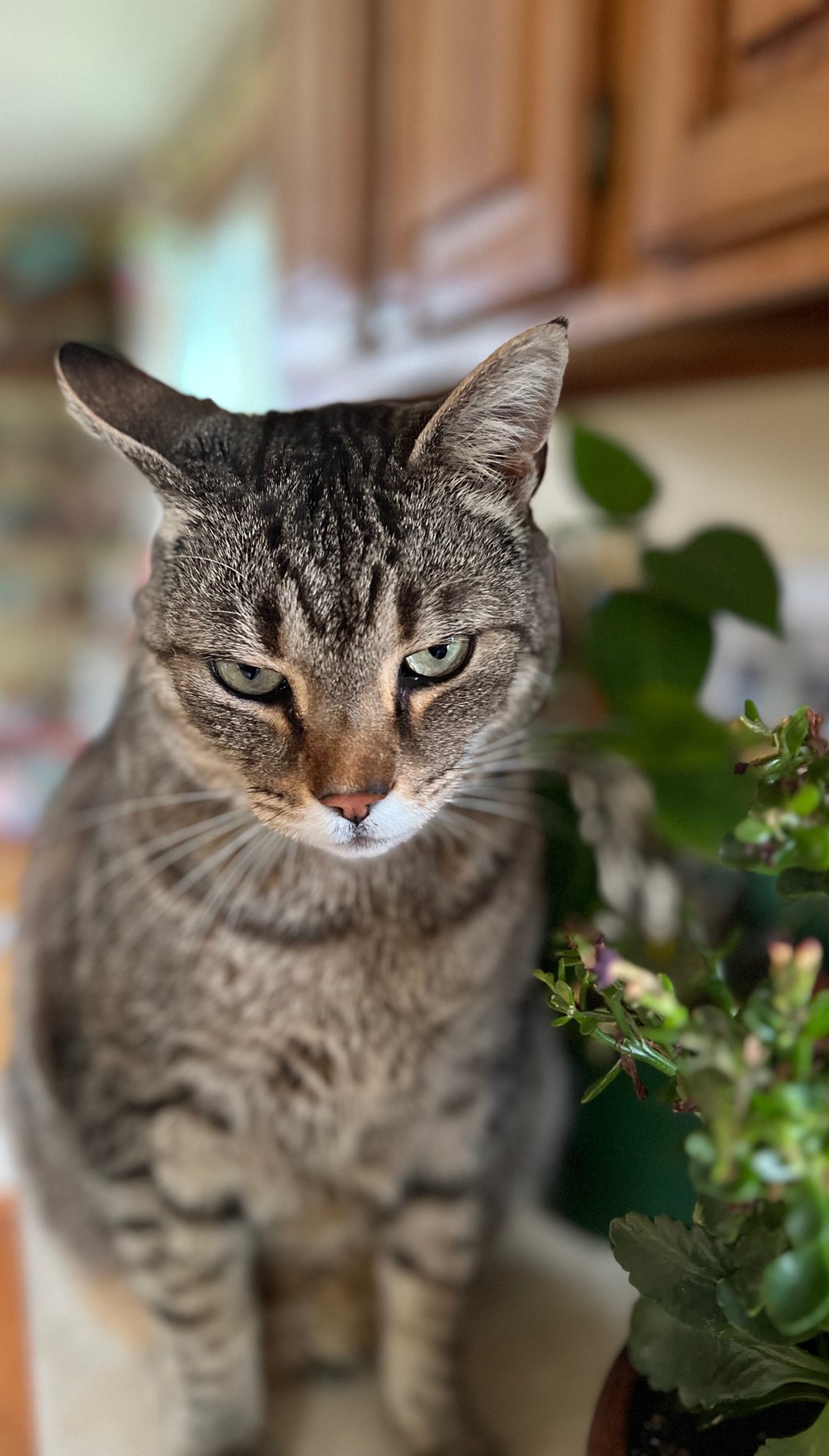

We understand that your feline companions are cherished members of your family. Their health and safety are of utmost importance to you. In this comprehensive guide, we will provide you with an in-depth list of dangerous foods and plants that can pose a threat to your beloved cats. By being aware of these potential hazards, you can create a safe environment and ensure the well-being of your furry friends.
Hazardous Foods:
-Onions, garlic, and chives: These common kitchen ingredients can cause gastrointestinal upset and damage a cat’s red blood cells, potentially leading to anemia.
-Chocolate: This indulgent treat for humans contains theobromine, which is toxic to cats. Ingesting chocolate can cause symptoms such as vomiting, diarrhea, rapid breathing, and in severe cases, seizures or even death.
-Caffeine: Found in coffee, tea, energy drinks, and chocolate, caffeine can lead to increased heart rate, tremors, and in some cases, can be fatal to cats.
-Alcohol: Even small amounts of alcohol can be toxic to cats, causing symptoms like vomiting, disorientation, and even coma.
Dangerous Plants:
-Lilies: Certain varieties of lilies, including Easter lilies, can be highly toxic to cats. Ingesting any part of the plant, including the pollen or water from the vase, can cause kidney failure.
-Aloe Vera: While aloe vera can have beneficial properties for humans, it can cause gastrointestinal upset and diarrhea in cats if ingested.
-Sago Palm: This popular houseplant contains cycasin, a toxin that affects a cat’s liver. Ingesting any part of the plant, including the seeds, can cause symptoms like vomiting, seizures, and in severe cases, liver failure.
-Tulips and Daffodils: These commonly found flowers contain substances that can cause gastrointestinal upset, drooling, and in some cases, more severe symptoms such as difficulty breathing and abnormal heart rate.
Safety Measures and Alternatives:
-Provide your cat with a nutritionally balanced diet specifically formulated for feline needs and avoid sharing human food.
-Keep your home free from hazardous plants by researching cat-safe alternatives.
-Store medications, cleaning products, and other potential hazards securely, out of your cat’s reach.
-If you suspect your cat has ingested something toxic, contact your veterinarian or a pet poison hotline immediately for guidance.
Ensuring the safety and well-being of your cat is essential, and understanding the potential dangers associated with certain foods and plants is crucial. By avoiding these hazards and implementing necessary precautions, you can create a safe environment for your feline friend. Remember, at Pet Pals MV, we are committed to providing you with valuable information and support to help you give the best care to your beloved pets.
 Pet Pals MV
Leave a comment